Choosing the Trusted Limo Service for Memorable Occasions
Uncovering Advanced Transportation Services for Seamless Travel
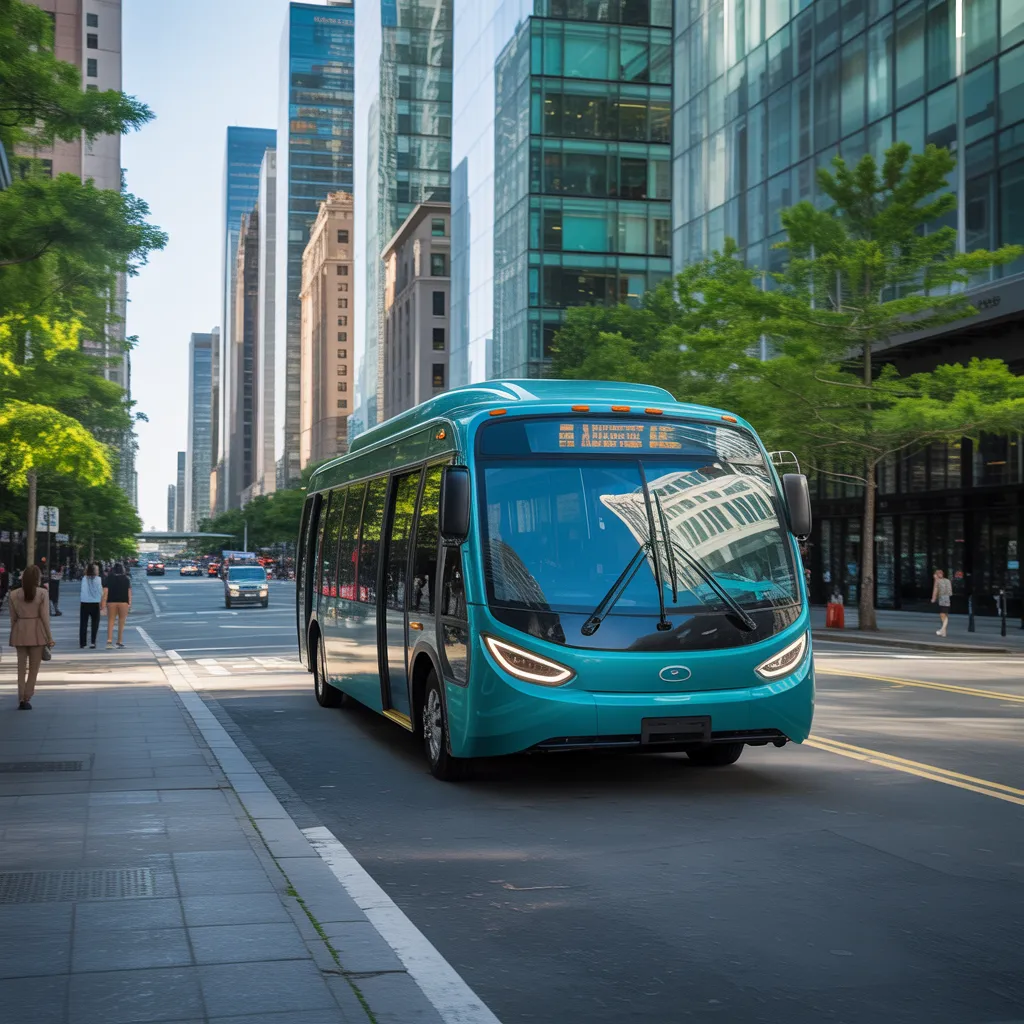
Innovative transportation services are reshaping urban mobility. Car-sharing services and electric scooters offer flexible alternatives to traditional transit. These solutions tackle the ongoing issue of last-mile connectivity. Meanwhile, the emergence of autonomous vehicles is set to further revolutionize travel dynamics. As cities strive for sustainability, the integration of diverse transport modes becomes crucial. What implications do these advancements hold for urban residents and their daily commutes? The answers may transform our understanding of mobility.
The Emergence of Ride-Sharing Solutions
As city populations keep growing, the demand for efficient and flexible transportation options has brought about the fast emergence of ride-sharing services. These platforms, which match drivers with passengers through mobile applications, have transformed the way people navigate cities. By offering ease of use and cost-effectiveness, ride-sharing services have obtained considerable popularity among commuters.
The ability to book a ride at the touch of a button has created transportation more convenient, particularly in locations without public transit. Additionally, ride-sharing decreases the necessity for car ownership, resulting in lower traffic congestion and lower environmental impact.
Leading companies in the industry have built a dynamic marketplace, driving innovation in available services and customer experience. As cities adapt to the shifting transportation landscape, ride-sharing services hold a central role in shaping urban mobility, fulfilling the developing needs of residents while supporting sustainable practices.
Electric Kick Scooters: A Modern Urban Mobility Option
Electric-powered scooters have developed into a practical solution for urban mobility, complementing the ride-sharing landscape. These compact, electric-powered vehicles provide a flexible option for brief trips, addressing the last-mile transit issue faced by many urban commuters. With their user-friendliness and approachability, electric scooters draw in a wide-ranging audience, including university students, working professionals, and visitors.
Metropolitan areas worldwide have implemented scooter-sharing programs, allowing users to discover and rent scooters through mobile applications. This cutting-edge approach reduces traffic congestion and cuts carbon emissions, aligning with sustainability goals. Moreover, electric scooters can traverse narrow streets and crowded areas, providing a practical alternative to traditional public transport.
Regardless of their strengths, issues such as safety issues and regulatory frameworks continue to exist. Nonetheless, as urban areas continue to develop, electric scooters are positioned to play a substantial role in shaping the future of urban transportation networks.
Autonomous Vehicles: Tomorrow's Transportation Landscape
What possibilities lie ahead with the advent of autonomous vehicles? Self-driving technology's development is set to transform both personal and public transit. Such vehicles, featuring cutting-edge sensors and artificial intelligence, work to boost road safety by eliminating human error, the main contributor to crashes. Furthermore, incorporating self-driving vehicles may result in improved traffic flow, reducing gridlock and cutting emissions through vehicle-to-vehicle and vehicle-to-infrastructure communication.
In metropolitan areas, self-driving cabs and transit vehicles may offer on-demand mobility, enhancing accessibility for individuals without personal vehicles. This shift could also transform urban planning, permitting repurposing of parking spaces into ecological spaces or community hubs. As industries adapt, fresh employment opportunities will appear in vehicle maintenance, technology support, and regulatory compliance. In the end, autonomous vehicles have the capacity to create a more sustainable, efficient, and inclusive transportation ecosystem for future generations.
Small-Scale Transportation: Addressing Last-Mile Challenges
Whilst urban transportation systems evolve, micro-mobility solutions are emerging as crucial tools for addressing last-mile challenges. These solutions, which include electric scooters, bikes, and shared mobility options, offer efficient and cost-effective means of travel for short distances. They close the gap between public transit hubs and final destinations, making certain that commuters can reach their endpoints rapidly and conveniently.
Micro-mobility tackles challenges like traffic congestion and environmental concerns by encouraging eco-friendly alternatives. As cities grapple with increased urbanization, the integration of micro-mobility into transportation networks improves overall accessibility. Furthermore, it promotes active transportation, which benefits public health.
Nevertheless, regulation and safety continue to be critical considerations. Comprehensive policies and infrastructure need to be established to support these services while ensuring user safety. On the whole, micro-mobility serves as a transformative factor in urban travel, enhancing the efficiency of transportation systems and promoting sustainable urban living.
Urban Transit Progress: Strengthening Accessibility
As metropolitan regions progress, public transit innovations are fulfilling a vital role in improving accessibility for all residents. Measures such as low-floor buses and trams have reimagined the travel experience for individuals with mobility challenges, facilitating easier boarding and disembarking. Additionally, real-time tracking apps provide critical information, enabling riders to plan their journeys more effectively.
Moreover, inclusive design concepts are being incorporated into transit stations, featuring tactile guidance routes and audio announcements that help visually impaired passengers. Community engagement efforts, such as feedback surveys, enable residents to communicate their needs, ensuring that public transit systems remain adaptive and user-friendly.
In addition, partnerships with ride-sharing services extend options for those in underserved regions, successfully bridging gaps in traditional public transit. These innovations collectively contribute to creating a more equitable transit landscape, fostering greater independence and mobility for all members of the community.
Intelligent Transportation Solutions: Efficiency and Integration
Smart transportation systems are revolutionizing the way urban environments handle mobility through instantaneous data transmission and enhanced connectivity. The incorporation of autonomous vehicles and multi-platform transit systems is crucial for creating a seamless transit experience. As cities implement these technologies, efficiency in transportation will likely experience significant improvements.
Real-Time Data Sharing
Real-time data sharing acts as the backbone of contemporary transportation systems, boosting integration and efficiency across multiple networks. By allowing the instantaneous exchange of information between vehicles, infrastructure, and users, it permits optimal route planning, reduced congestion, and improved safety. Transit agencies can track vehicle locations and service disruptions, subsequently informing riders of delays or alternative options. Moreover, data sharing promotes collaboration among different transportation modes, such as buses, trains, and rideshare services, creating a seamless travel experience. The implementation of smart sensors and communication technologies additionally amplifies these benefits, enabling predictive analytics and responsive adjustments to service delivery. In this way, real-time data sharing is essential in shaping the future of urban mobility and enhancing Luxury Transportation Orlando overall transportation performance.
Self-Driving Vehicle Integration
While the integration of autonomous vehicles into existing transportation networks creates unique challenges, it also presents significant opportunities for improving urban mobility. These vehicles can optimize traffic flow and minimize congestion by enhancing route selection and minimizing human error. Furthermore, autonomous vehicles result in increased safety, as they are designed to adhere strictly to traffic regulations and respond more effectively to dynamic road conditions. The implementation of smart transportation systems enables seamless communication between autonomous vehicles and infrastructure, facilitating coordinated traffic management. Additionally, data gathered from these vehicles can inform urban planning and policy decisions, leading to more efficient transportation systems. Eventually, the successful integration of autonomous vehicles possesses the ability to transform urban landscapes and improve overall travel experiences.
Multi-Modal Logistics Solutions
Autonomous vehicle integration paves the way for examining multimodal transport solutions that elevate overall efficiency in urban mobility. These systems blend various transportation modes—such as public transit, ride-sharing, cycling, and walking—into a unified framework that optimizes travel routes and reduces congestion. By employing data analytics and real-time information, multimodal transport solutions enable seamless shifts between different modes, allowing users to determine the most efficient paths. This approach not only improves accessibility but also promotes sustainable practices by encouraging the use of public transport and non-motorized options. As cities invest in smart infrastructure, the potential for enhanced coordination among diverse transport services continues to develop, ultimately transforming urban travel into a more unified and user-friendly experience.
Green Transportation Choices: Sustainable Solutions for Commuters
With urban populations steadily increasing and environmental issues becoming more pressing, commuters increasingly seek sustainable travel options that lower their carbon footprint. Eco-friendly alternatives have gained prominence, with many individuals selecting public transportation, cycling, and walking as primary means of commuting. Electric vehicles (EVs) also play a significant role, presenting an alternative to traditional gasoline-powered cars while reducing greenhouse gas emissions.
Carpooling and ride-sharing services further contribute to sustainability by lowering the number of vehicles on the road. Developments in bicycle-sharing services and e-scooters deliver easy availability of eco-friendly transportation, encouraging more people to leave their cars behind.
Moreover, urban planners are giving priority to the establishment of pedestrian-friendly infrastructure and dedicated bike lanes, increasing the appeal of sustainable options. All in all, the shift towards eco-friendly commuting reflects a growing awareness of environmental issues and a commitment to reducing urban congestion and pollution.
Questions & Answers
In What Ways Do Ride-Sharing Services Impact Local Economies?
Rideshare platforms beneficially affect local economies by creating job opportunities, increasing mobility, and increasing consumer spending. They frequently enhance access to commercial areas, enhance transportation efficiency, and can help achieve reduced congestion and decreased transportation costs for residents.
What Are the Safety Requirements for Electric Scooters?
Safety regulations for electric scooters generally encompass helmet mandates, maximum speed limits, age requirements, and approved riding locations. Local governments often enforce these rules to safeguard both scooter user and pedestrian protection while encouraging responsible scooter utilization in urban areas.
How Do Autonomous Vehicles Respond to Emergency Situations?
Driverless vehicles are configured to analyze emergency situations using algorithmic systems and sensors. They focus on protection through performing evasive maneuvers, notifying other drivers in the vicinity, and coordinating with first responders to reduce hazards in dangerous situations.
Do Micro-Mobility Options Exist in Countryside Areas?
Small-scale mobility solutions in rural areas are often limited in comparison to urban settings. Yet, some communities have started introducing electric scooters and bike-sharing programs, aiming to boost transportation accessibility and promote sustainable travel alternatives for residents.
How Do Public Transit Systems Lower Carbon Footprints?
Urban transit networks can decrease carbon footprints by elevating energy efficiency, integrating renewable energy sources, refining route optimization, supporting electric vehicles, establishing efficient scheduling, and promoting public awareness campaigns to boost ridership and eco-friendly initiatives.